Solar Heat
Sunlight can warm the roof, which may then radiate heat toward surfaces inside the attic.
Explore reflective barrier solutions designed to reduce radiant heat transfer in suitable building assemblies. Contact our team to discuss your attic and request a free estimate.
A radiant barrier is designed to reduce radiant heat transfer when its reflective surface is installed facing an appropriate air space.
Roof surfaces can become warm under sunlight and transfer heat toward the attic. A properly configured radiant barrier can reduce some of that radiant heat transfer.
Santos AC & Insulation offers radiant barrier services. The appropriate installation depends on your attic layout, existing materials and the conditions of your property.
A radiant barrier addresses radiant heat transfer. Its effectiveness depends on proper configuration, placement and installation.
Sunlight can warm the roof, which may then radiate heat toward surfaces inside the attic.
A radiant barrier uses a low-emissivity reflective surface to reduce radiant heat transfer across an adjacent air space.
Roof framing, attic geometry, ventilation and existing insulation are relevant to installation planning.
Placement, the required air space and keeping the reflective surface suitable for operation are important considerations.
Important: A radiant barrier is not a substitute for conventional thermal insulation or proper air sealing. Its suitability and results depend on the building and installation conditions.
Not every attic has the same configuration. These are useful factors to discuss when considering a radiant barrier for your home.
Request Your EstimateThe amount and condition of existing insulation should be considered alongside any proposed radiant barrier.
Radiant barriers generally require an adjacent air space to perform their intended function.
Existing moisture concerns and attic ventilation should be assessed when planning the installation.
Framing, ductwork, electrical components and available clearance can influence the proposed work.
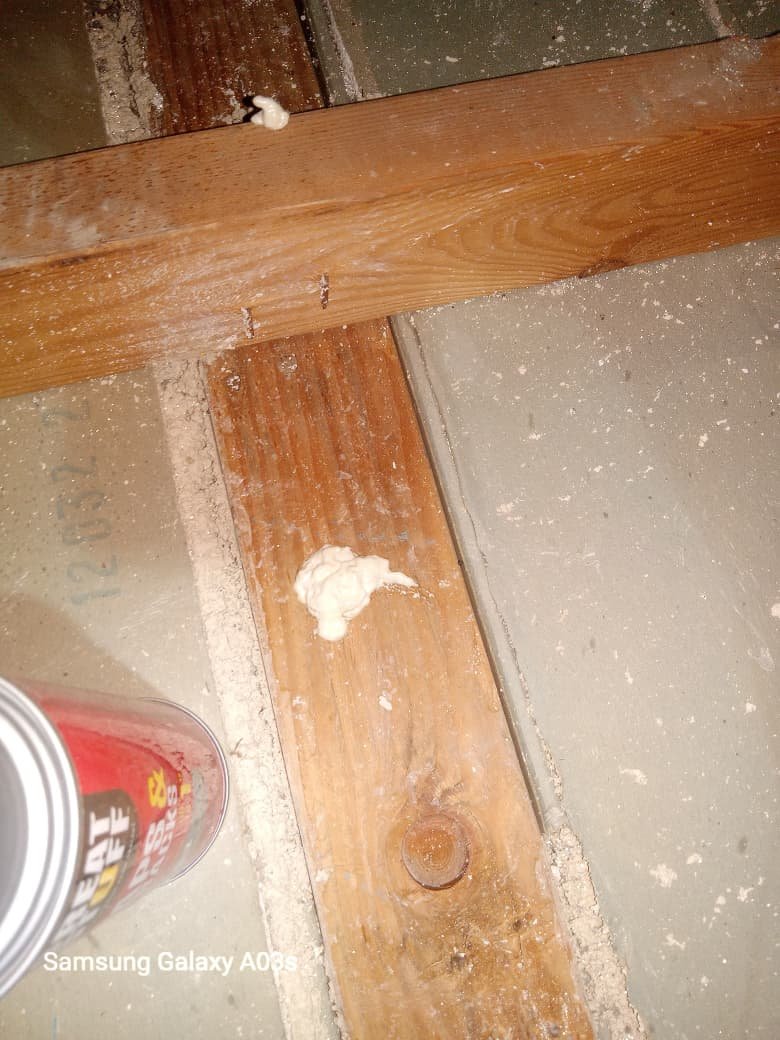
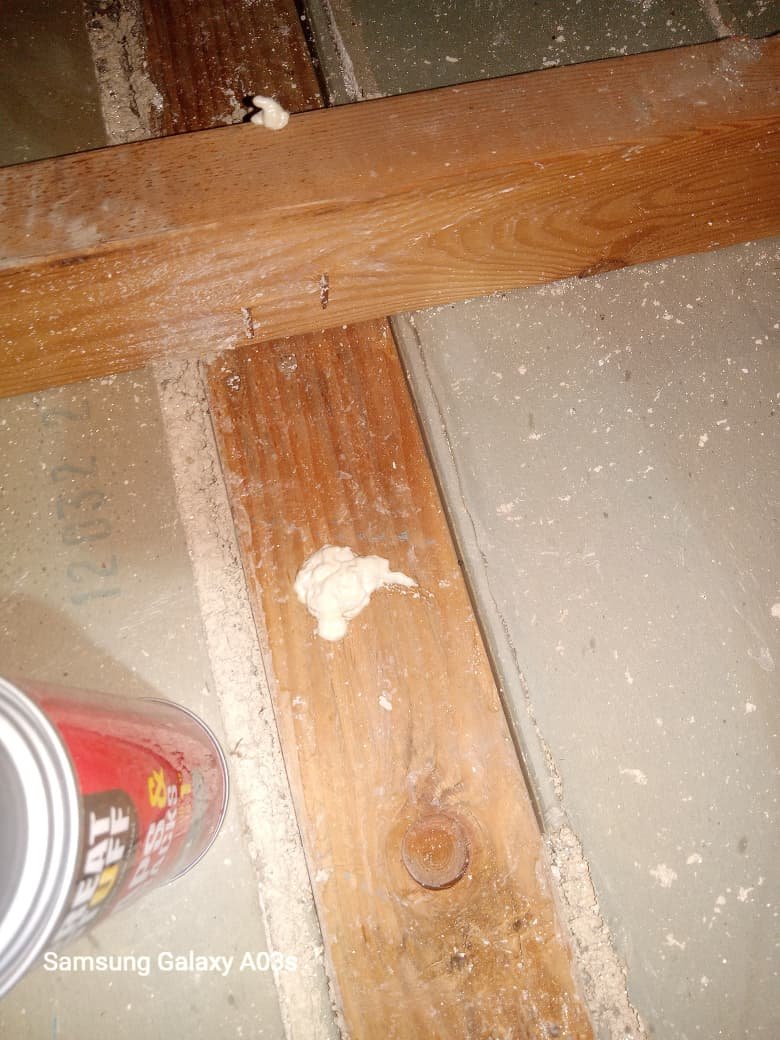
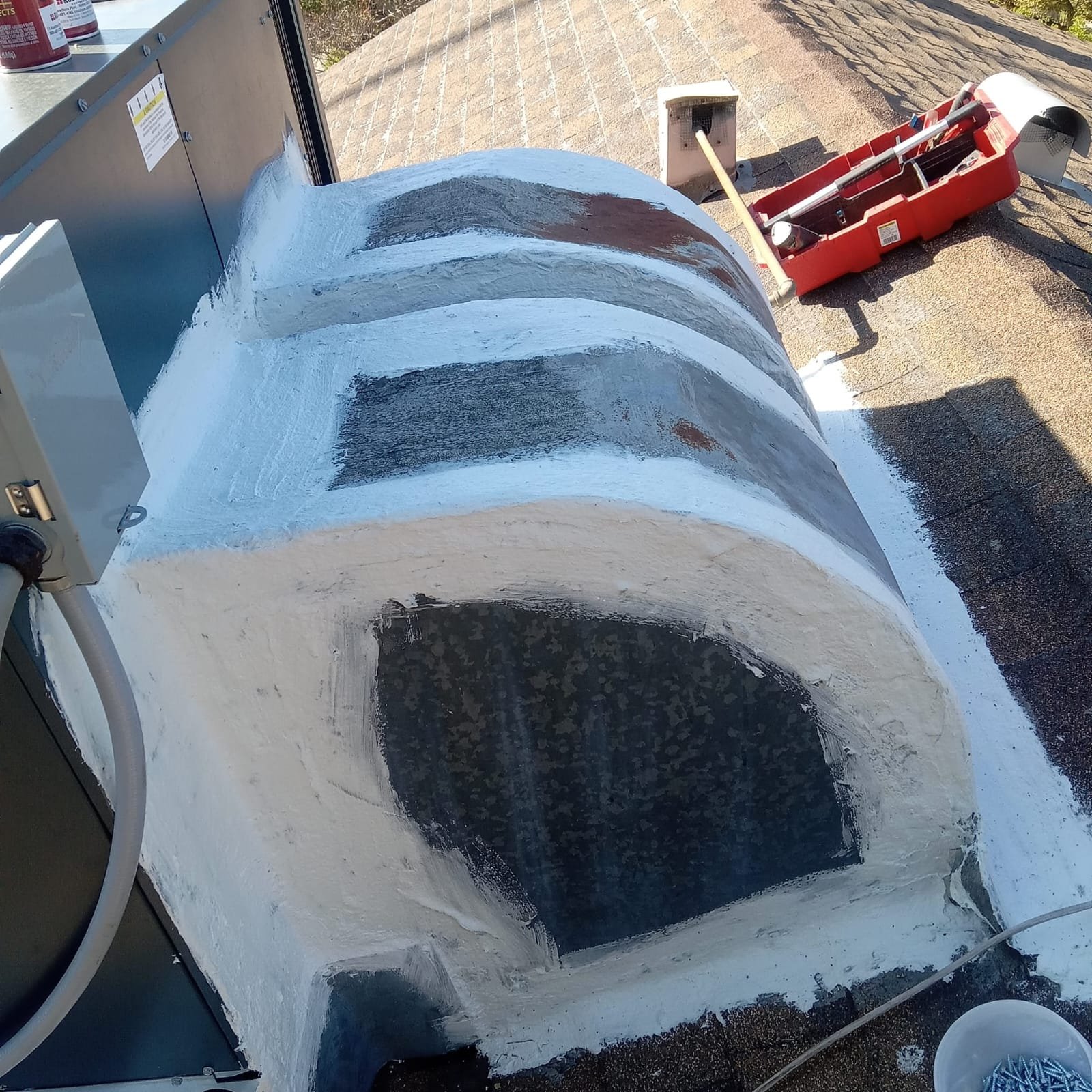
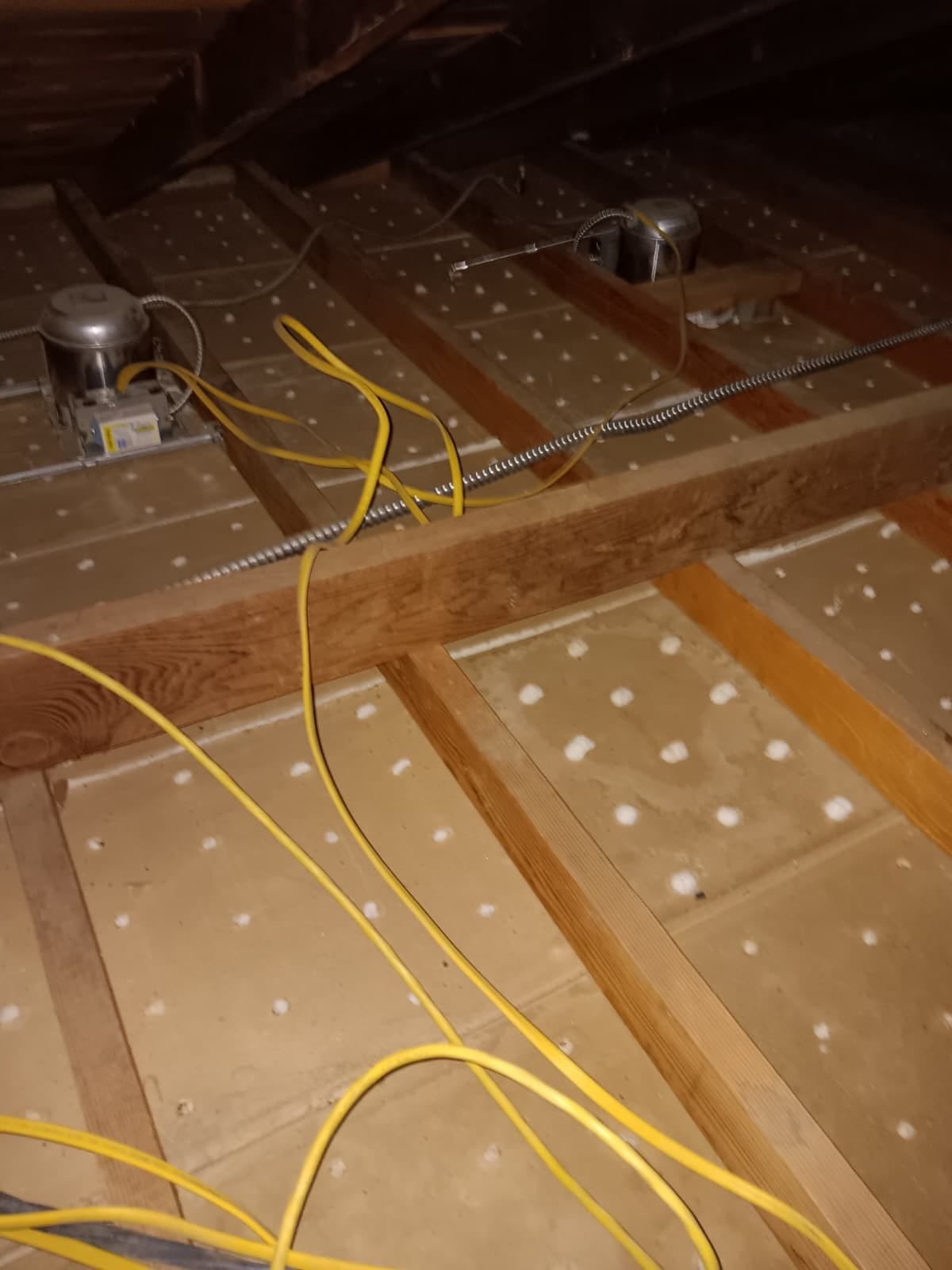
View the photograph supplied for this service alongside related attic photographs.
SANTOS SERVICE PHOTO
Images supplied for Santos AC & Insulation. Related attic photographs provide context and do not establish that radiant barrier installation was performed at those properties.
Share your attic information and discuss the installation you're considering.
Tell us about your property, attic access and any existing insulation or concerns.
Contact Santos to discuss your project and confirm installation availability.
Send your contact information and project details through our contact page.
Learn about services that address other aspects of your attic and home.
Helpful information before requesting a radiant barrier installation estimate.
Ask Our Team →A radiant barrier is a material with a low-emissivity surface designed to reduce radiant heat transfer across an adjacent air space.
No. Conventional insulation primarily resists conductive heat flow, while a radiant barrier addresses radiant heat transfer. They perform different functions and may be considered together in an appropriate assembly.
Yes. A radiant barrier generally needs an adjacent air space for its reflective surface to perform its intended function. The correct configuration depends on the product and application.
A properly installed radiant barrier can reduce radiant heat transfer, but actual energy savings depend on many factors, including climate, existing insulation, attic conditions and HVAC usage. Specific savings are not guaranteed.
A radiant barrier is not a general solution for water intrusion or existing moisture problems. These conditions should be evaluated separately before installation.
Not necessarily. Attic configuration, existing materials, ventilation, moisture conditions and available installation space can affect suitability.
Santos advertises service in Los Angeles and nearby areas. Contact the team with your city to confirm availability.
Contact Santos AC & Insulation to discuss your attic, installation options and request a free estimate.